The most complete self-portrait of Van Gogh in history will be exhibited in London, including the last two paintings in his life.
Few artists are as obsessed with the creation of self-portraits as Vincent Van Gogh, leaving about 35 self-portraits in his short artistic career.
The Courtauld Gallery in London, England will hold a heavy exhibition of Van Gogh’s self-portraits next spring (from February 3rd to May 8th, 2022). The exhibition will bring together about 15 Van Gogh’s self-portraits collected by world-renowned institutions, accounting for nearly half of all his self-portraits and spanning Van Gogh’s short career. It is the most comprehensive exhibition of Van Gogh’s self-portraits in history. Van Gogh research experts say that one of the reasons why Van Gogh is keen on painting himself may be that he lacks models.
The exhibits also include two self-portraits of Vincent Van Gogh’s last life, which are now collected in Oslo and Washington, D.C., and were created in Saint-Rémy mental hospital in 1889. The two works were completed only one week apart. This is also the first time that the two works have been displayed on the same stage since their creation.
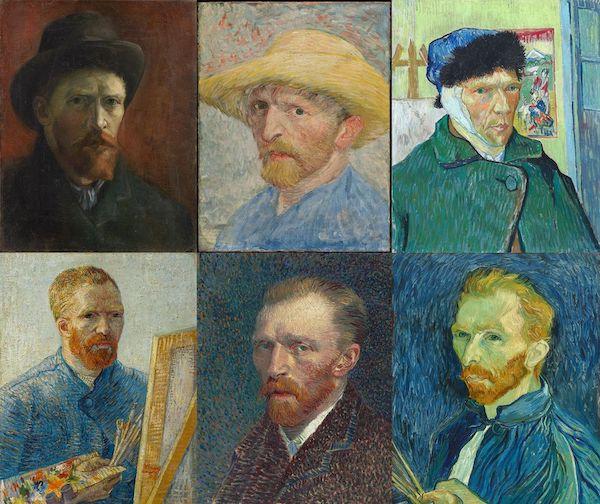
Van Gogh painted about 35 self-portraits in his life.The most comprehensive exhibition of Van Gogh’s self-portraitsAccording to Karen Serres, curator of Courtauld Gallery, they had the idea of holding this exhibition 10 years ago because the Courtauld Gallery has one of the most famous Van Gogh paintings, Self-Portrait With Bandaged Ear (1889).
Ceres said: "Van Gogh’s exhibitions are notoriously difficult. His works are very popular, so it is very difficult to borrow them, because every work is a star exhibit of his institution.
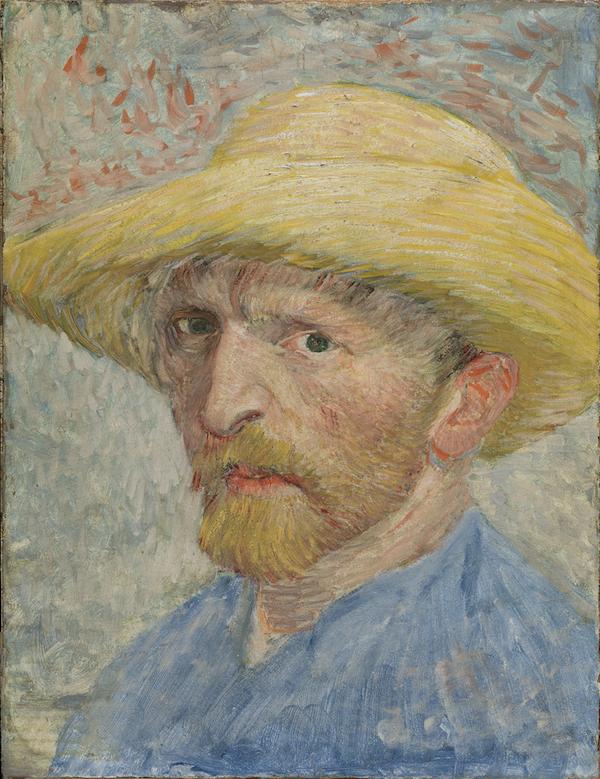
Van Gogh’s Self-portrait in a Straw Hat (1887) Detroit Art Collection However, since the Courtauld Gallery has been closed for major renovation since 2018, the team used this time to focus on planning this heavy exhibition. There are about 15 self-portraits in the exhibition, which will span the short career of the Dutch artist. The exhibits include Self-Portrait with Dark Felt Hat (1886-1887) borrowed from Van Gogh Museum in Amsterdam, the Netherlands. Go to the national gallery of art in Washington (DC) and see "Self-Portrait" (1889).Exhibits will also include the controversial "Self-portrait" (1889) by the Nasjonalmuseet in Oslo, which was officially recognized as an artist’s original in January last year after five years of research in the Van Gogh Museum in Amsterdam.
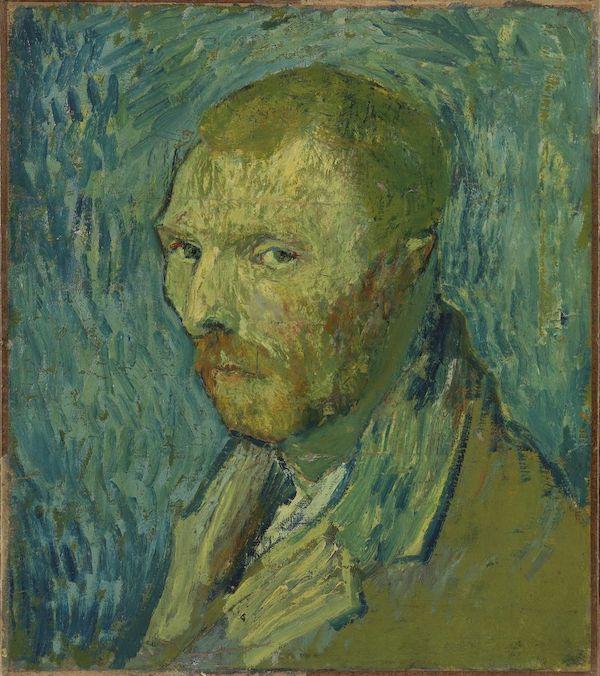
Van Gogh’s "Self-portrait" (1889) has only recently been confirmed as an artist’s original collection in Oslo and Washington. Van Gogh’s self-portraits were created at the same time, both in September 1889 when Van Gogh was in Saint-Rémy mental hospital. Ceres said: "As far as I know, since then, two self-portraits have never appeared at the same time. I learned from Van Gogh’s letter that their creation was only a week apart. " Although this is not the first exhibition of Van Gogh’s self-portraits, it will be the most comprehensive one ever.The exhibition will also focus on the changes in Van Gogh’s creative style. The curator said that with the passage of time, the colors of the paintings have changed a lot. For example, the original purple pattern on the screen is now light blue. It is important for the audience to know this, because sometimes people may talk about the symbolic meaning of Van Gogh’s use of light blue here, but it is not the case. His original intention is purple. "
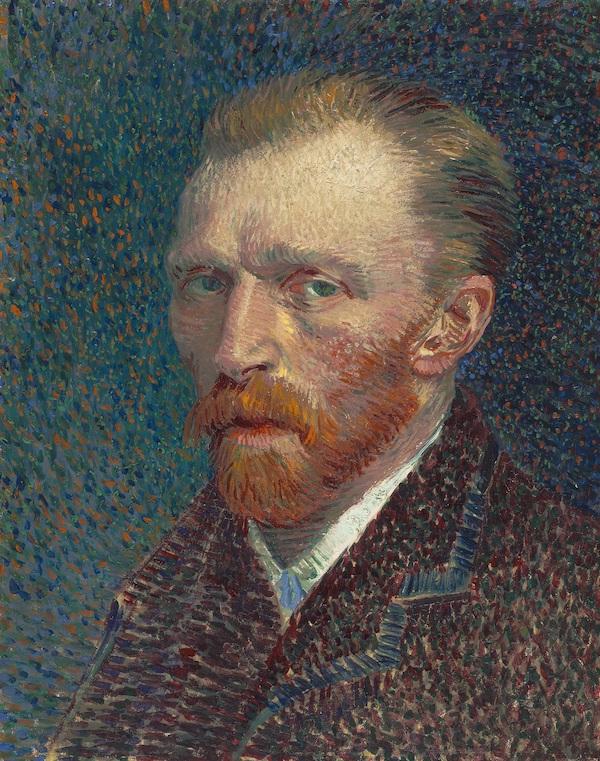
Van Gogh’s Self-portrait 1887 Chicago Museum of ArtWhat does Van Gogh reveal in his self-portrait?Few artists are as obsessed with the creation of self-portraits as Van Gogh, except his Dutch compatriot Rembrandt. But Rembrandt’s career is four times longer than Van Gogh’s. Rembrandt created more than 40 self-portraits in his life, while Van Gogh had 35. Like Rembrandt, our view of Van Gogh’s appearance is almost completely limited by his self-portrait. Because he only saved one photo, which was taken when he was 19 years old.
People are obsessed with the study of Van Gogh because of his unique life experience and artistic talent. When we appreciate Van Gogh’s self-portraits, we often hope to know more about his personality and thoughts.
Van Gogh believes that portrait painting (and perhaps self-portrait) can achieve what photography can’t. He doesn’t like the fashionable technological development, which may explain why there are no adult photos of Van Gogh left.
Van Gogh once told his sister: "I still think photos are terrible, and I don’t like to have any photos, especially those of people I know and love." On another occasion, he told her that "it is not easy to paint like yourself", but "people seek deeper similarity than photographers".
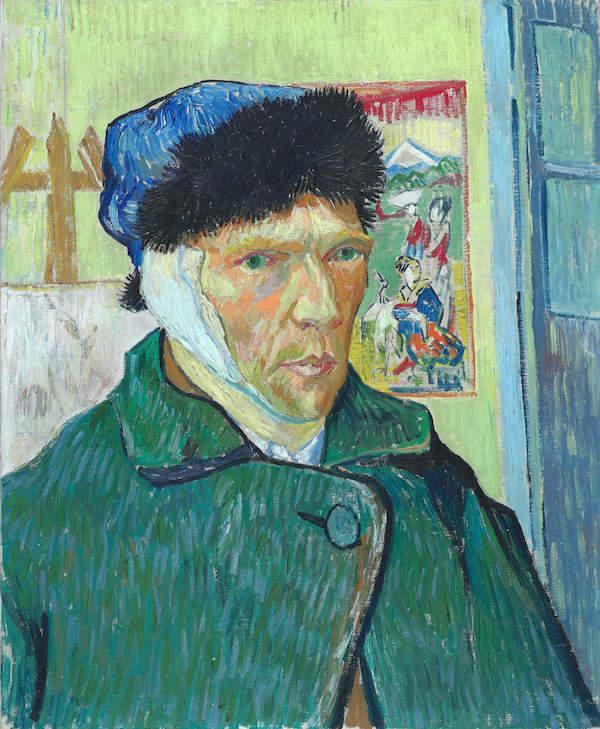
Van Gogh’s Self-Portrait with Ear Bandage (January 1889) In some paintings in Courtauld Art Collection, such as Van Gogh’s Self-Portrait with Ear Bandage in Cotold Art Museum (which is also the core exhibit to be exhibited soon), the artist is exploring his inner world and showing a side of his life. This painting was created less than a month after he cut off his ear, and he did not shy away from his trauma. He could have drawn the other side of the head, or made the bandage look less prominent.On the contrary, the artist presents a highly antagonistic image. Van Gogh must have known its exact meaning, but we still can’t understand it until today. Is he calling for help? Or does it represent his determination to go back to work? Maybe both.
Van Gogh painted an almost blank canvas on an easel (with some vague marks on it, probably the beginning of a flower still life). On the other side of his head hangs a Japanese print (the one he carried with him in the yellow house in arles). This represents a respect for Japanese art, which he was inspired by.
Although Vincent’s health is worrying, this self-portrait of the Cotold Art Museum has been carefully composed, which is obviously not an impulsive work of a "madman". He showed what seemed to be his right bandage, even though he cut off his left ear. Because he is looking at his painting in the mirror, the two sides of the painting are upside down. An often overlooked detail: you can also see the jacket in the mirror, and the button (usually on the right for men) is on the left side of the jacket. In "Self-Portrait as a Painter" (February 1888), this is the last self-portrait that Van Gogh completed in Paris, in which he showed the skills he learned during his two years in Paris-especially his use of color (ginger hair is in sharp contrast with blue clothes). This time, he carefully pressed the button on the right side, instead of what he saw in the mirror.
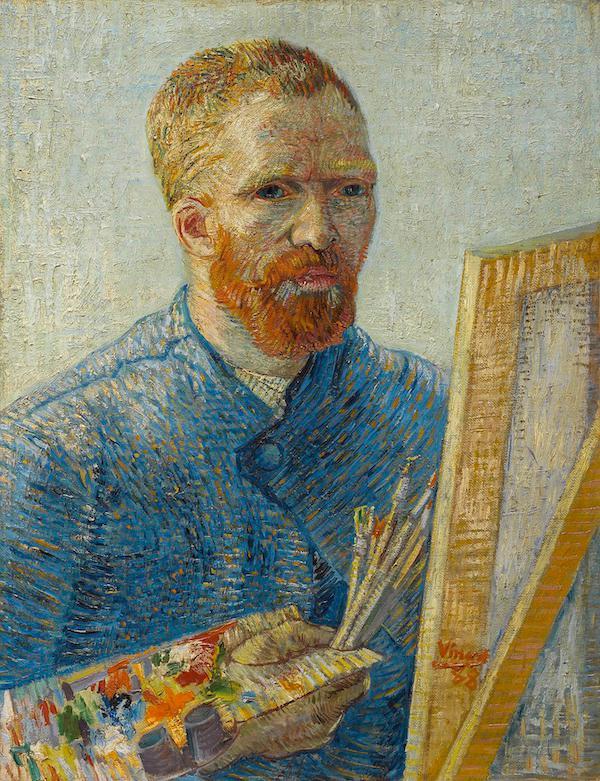
Van Gogh’s "Self-portrait as a painter" (February 1888) Van Gogh is keen on painting himself in the Van Gogh Museum in Amsterdam. Another reason may be that he lacks models. He always found it difficult to get people to sit down for him, which also reflected the clumsiness of Van Gogh’s character. Van Gogh also seems to reject painting close friends and family. As a portrait artist, in the absence of a model, the easiest way is to draw yourself, because it only needs a mirror.
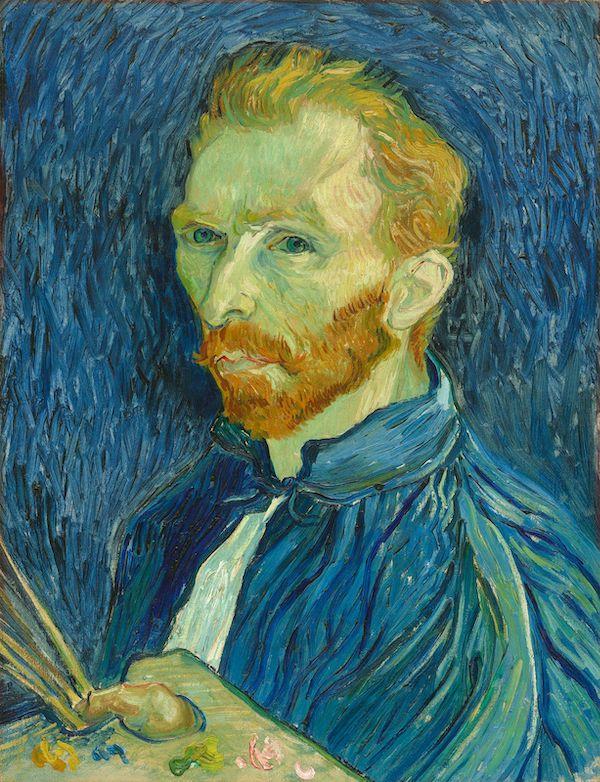
Van Gogh’s Self-portrait (1889) In September 1889, he painted a self-portrait in a mental hospital (now in Washington, and this painting will also be exhibited). He wrote to Theo and said, "I am creating two portraits of myself at the same time, because I don’t have much time to paint any more."Sometimes his self-portraits also reflect his attempts and explorations of various techniques, such as color contrast or painting brushwork. For those works that he is not ambitious, sometimes they appear more in the form of research. This may explain why 27 of Van Gogh’s 35 surviving self-portraits came from his Paris period, when he was experimenting and developing his skills-from the dark tone of the Dutch period to the bright tone of Van Gogh that we know and love now, but he also produced some very good self-portraits during his Paris period.
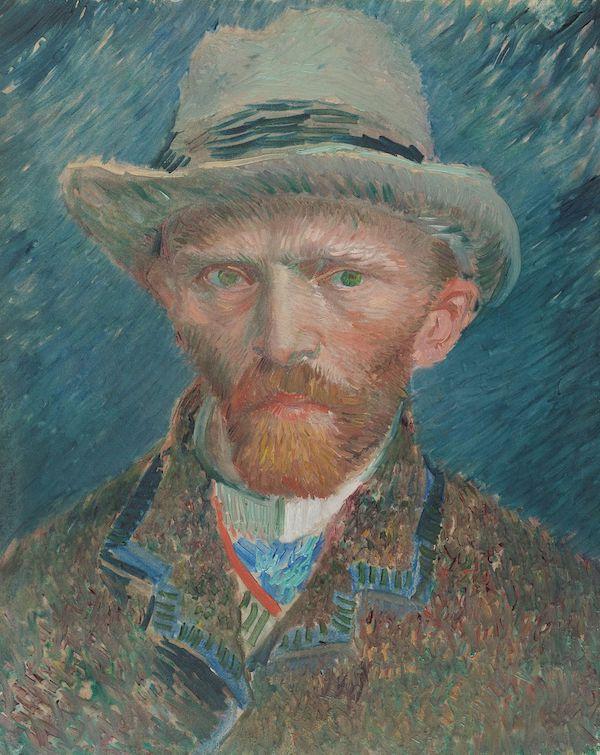
Van Gogh’s Self-portrait in a Grey Felt Hat (1887) was collected in Amsterdam National Museum in 1889. In a mental hospital, Vincent wrote in a letter to Theo: "It is difficult to know yourself, but it is not easy to draw yourself." He insisted on the challenge and pointed out that photos "fade faster than ourselves" and paintings "are passed down from generation to generation."(This article is compiled from The art newspaper and official website of London’s Cotold Art Museum, etc.)
(This article is from The Paper, please download the "The Paper" APP for more original information)
Reporting/feedback