[Look at the change of the Yangtze River] The integration of the first, second and third industries, the wild fruit world to create a new sample of ecological industrialization
CCTV News (Reporter Cao Zhen):Chongyi County is located in the southwest border of Jiangxi Province. In October 1517, Wang Yangming named it after the meaning of "advocating propriety and righteousness". In December last year, Chongyi County boarded the list of national demonstration cities and counties for ecological civilization construction. This makes Chongyi, which is known as the "Green Valley in the South of the Yangtze River", have an ecological business card of "National Brand" after the honorary titles of National Forest City and China Natural Oxygen Bar.
Junzi Valley Wild Fruit Reserve is a beautiful landscape in this ecological business card. Since its establishment in 1995, Junzi Valley has set up a wild fruit germplasm resource garden from the establishment of a wild fruit reserve; From the selection of wild fruit varieties, the ecological planting of selected strains began; From the study of ecological characteristics of varieties and plants to the deep processing of agricultural products. One, two, three industries take a multi-pronged approach, and in the field of ecological industrialization, we have embarked on a unique "gentleman’s valley model".
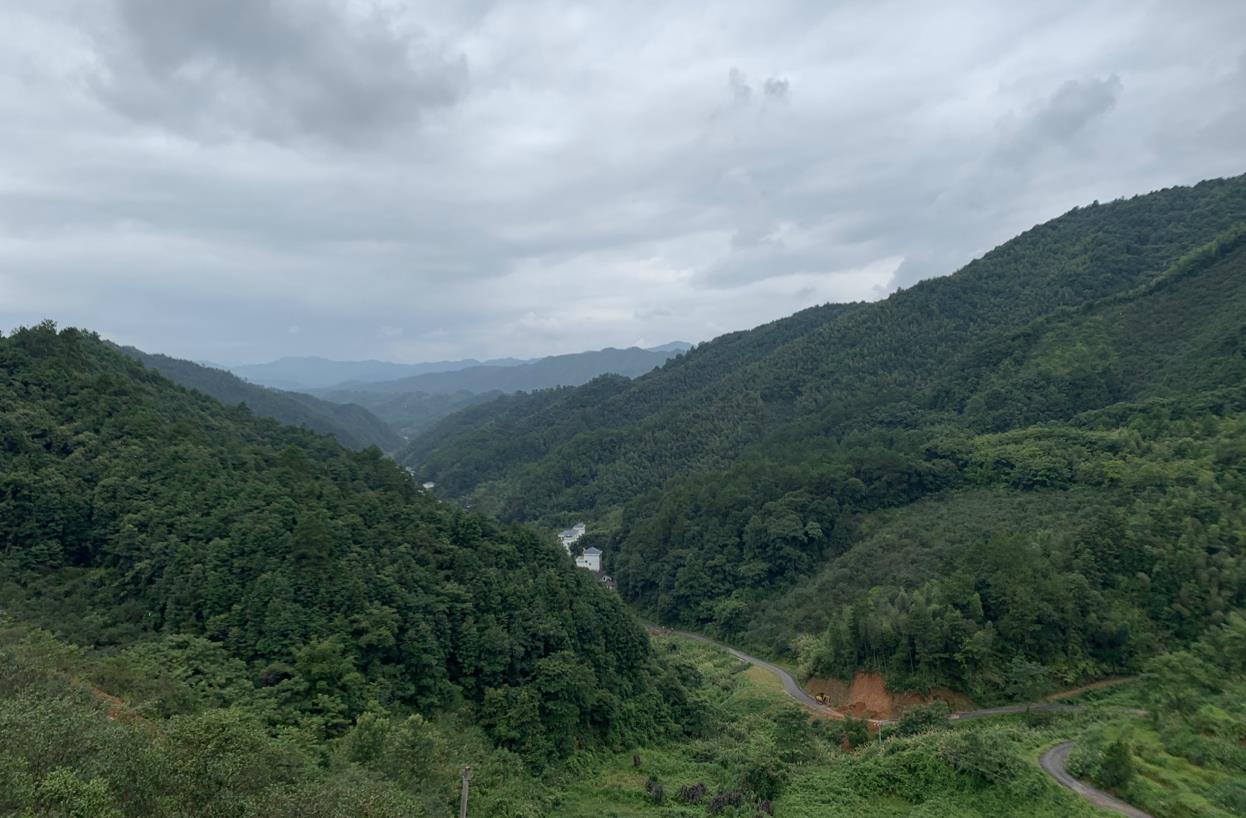
Junzi Valley Wild Fruit Reserve. Cao Wei/photo
Protecting wild fruit: from childhood feelings to great cause
"Our idea at that time was very simple. We just wanted to protect the wild fruits we had eaten and seen when we were young and not let them be ‘ Lianshan ’ And disappear from this world, retire and return to your hometown in the future, and you can still eat the familiar taste when you were a child. " Ms. Huang, the wife of Zhuang Xifu, the founder of Junzi Valley, told reporters.
The so-called "mountain refining" is a kind of forestry production mode to cut down the timber with commercial value on the mountain and put it in Yamakaji to clean up the forest land. Although this can make local villagers get some economic benefits in a short time, it will be devastating to the vegetation and ecological environment on the mountain.

Wild fruit Tian He taro planted in the wild fruit world of Junzi Valley. Cao Wei/photo
Unable to bear to see all kinds of wild fruits that I loved when I was a child burned down by the fire, Zhuang Xifu decided to quit his "iron rice bowl" and set about establishing a wild fruit reserve in Junzi Valley, purchasing and planting wild fruit trees on the mountain, and prohibiting farmers from cutting down fruit trees and hunting.
For this simple feeling, the road to entrepreneurship in Junzi Valley Wild Fruit Reserve is very bumpy. At first, local farmers thought this was not only stupid but also inhuman. Fortunately, Gentleman Valley got the support of the local government, so it can continue.
In order to gain farmers’ understanding, a "farmers’ school" has been set up in Junzigu Nature Reserve to train the knowledge of ecological protection and agricultural product development from time to time, and establish cooperation with local farmers to let them participate in the ecological planting of selected strains.
For more than 20 years, Zhuang Xifu organized a capable team, collected and protected a large number of wild fruit resources, and built a wild fruit resource garden in Junzi Valley base. There are all kinds of wild fruits in the south protected and collected in the resource garden, and the resources are complete. Only in the China wild thorn grape resource garden, more than 1,100 wild plants of wild thorn grapes have been collected.
Wild thorn grapes in China going international.
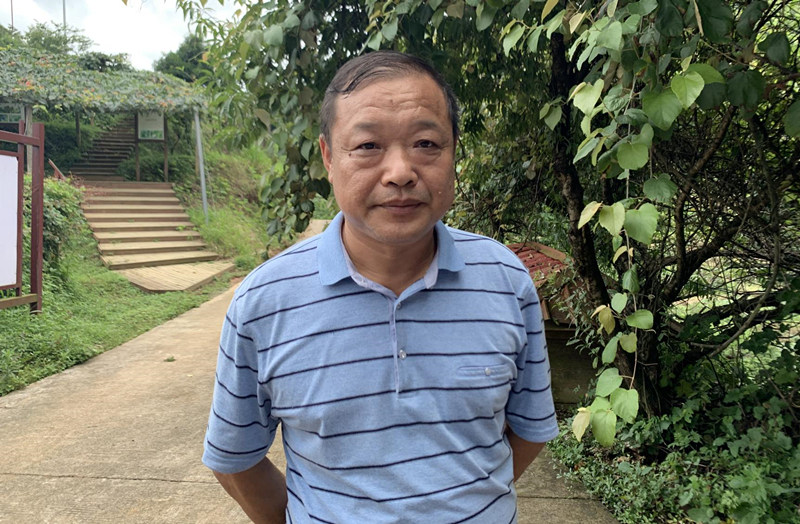
Huang Fangxiang, a farmer from Liangjie Village, Chongyi County. Cao Wei/photo
Huang Fangxiang is a local farmer who grows thorn grapes. Before 2008, 5 mu of land in his family was used to grow rice, with an annual income of about 10,000 yuan. In 2008, under the call of preferential policies, he began to try to grow some thorn grapes in a small scale in his family yard. "I don’t grow rice now. The courtyards in Otawa are planted with thorn grapes, and the annual income is about 30,000 yuan, which is three times higher than before. "Huang Fangxiang counted his own economic account with reporters.
Relying on the research and development of wild fruit in Junzi Valley for many years, Chongyi County actively promoted the combination of thorn grape industry and poverty alleviation work, guided poor households to plant thorn grapes, and subsidized and increased income attracted a large number of farmers to participate in planting.
After years of hard work, Junzi Valley has not only won the reputation of wild thorn wine in the world, but also developed a variety of ecological products such as non-added fruit drinks and wild fruit biscuits.

Immature wild thorn grapes. Cao Wei/photo
Good wine needs no bush. In the 5th Asian Wine Quality Competition in 2012 and the 6th Asian Wine Quality Competition in 2014, Junzi Valley wild thorn wine won the grand prize in succession, which was the first gold medal of China native wine in this international competition.
The protection, development and utilization of wild fruits in Junzi Valley have brought tangible "ecological dividends" to the villagers, but for the ecological industrial chain built by Junzi Valley, the longer-term value goes far beyond this. In the future, many innovative ideas, such as optimal strain planting, eco-tourism and agricultural product development, will be gradually implemented and deepened, and the sample of Junzi Valley of ecological industrialization will also bring more practical experience with reference value to Jiangxi and other provinces and cities along the Yangtze River Economic Belt.