Yan Yanchun’s speech record: from single-handedness to industrial community
introduction
As the peak of consumer Internet gradually goes away, the wave of industrial Internet is surging, which has triggered a reflection and discussion on the future development direction.
What is the industrial Internet and how will it reshape our world?
How will GenAI lead us into a new era of intellectual civilization?
Why will the industrial router model become the new engine of growth?
How to realize the two-way development of China industrial cluster and global market?
Facing this change, how can we seize this opportunity and build a closely connected industrial community? Let’s follow Yan Yanchun, a senior expert in the field of industrial Internet, and discuss the mystery behind intellectual civilization, industrial community and industrial router model.
The following is adapted as a record of Yan Yanchun’s speech.
First, digital technology in the era of great change
ChatGPT is a groundbreaking work, which will accelerate the third liberation of mankind. Generative artificial intelligence is surpassing the Internet and opening the era of intellectual civilization after human agricultural civilization and industrial civilization, which is another great evolution of human civilization.
Generative AI, like a new Pangu, has opened up a new world, bringing us an epoch-making generative AI. You can create whatever you want, create new people, goods and scenes. In the next 50 years, the new incarnations of avatar life, digital life and silicon-based life of 8 billion human beings are evolving into 100 billion digital people or even 100 billion humanoid robots, which will join the mighty army of intelligent workers to create, work and dance together.
The AGI universal big model is evolving into the AIOS artificial intelligence operating system, and everything can be xxxGPT. All industries, all products and all apps are worth redoing or inventing. Generative AI will set off a supply-side revolution, accelerate the industrial process of the meta-universe and upgrade the AI of the real economy. Everything can be xxxGPT, and the intellectual marginal cost of AGI universal big model will gradually approach zero. There are tens of thousands of vertical big industrial models, 100,000 vertical small and medium-sized domain models, hundreds of millions of enterprise models and tens of billions of personal models. The next killer AI agent application beyond the era of mobile Internet will spring up like mushrooms after rain, and new AI ecology and AIGC industrial clusters are taking shape.
At present, the macro-economy is still at an important turning point in the transformation of old and new kinetic energy. Many enterprises, especially the giants in the Internet industry, are experiencing a wave of layoffs, which reflects the depression of the job market. In a highly involuted environment, I suddenly thought of an extremely warm saying from leonard cohen: Everything has cracks, and that is where the light comes in. The light of industrial internet and artificial intelligence, like a beam of light penetrating from a crack, conveys warmth and hope to every entrepreneur and dispels every darkness on the journey to the unicorn.
Under the call of intellectual civilization, it will accelerate the chemical reaction between the industrial Internet and the real economy and promote the large-scale integration of various industries. For example, SheIn and Pinduoduo’s Temu platform have driven China’s industrial cluster belt to the sea on a large scale, forming new kinetic energy on a global scale and creating a new paradigm of globalization 2.0. At the same time, in the form that the domestic real estate environment is not optimistic, Ke Holdings Inc. still maintains rapid growth in the domestic market. The announced revenue in the first three quarters of 2023 is 57.5 billion, an increase of 31%, and the profit exceeds 5 billion. All these are vivid examples of industrial integration under the intellectual civilization. Therefore, I think we are now in a great era similar to Columbus’ discovery of the new continent, full of infinite possibilities of exploration and discovery.
In the past ten years, Shengjing Jiacheng has been based on global innovative financing empowerment, and its main direct investment direction is in the fields of artificial intelligence, new energy, life sciences and industrial Internet, closely following the dividend acquisition period of nearly 10 years. In the field of life science, we invested in Shenshi Technology to establish AI+ material science and AI+ artificial intelligence model of life science to discover new materials and innovative drugs, to help Contemporary Amperex Technology Co., Limited do research and development of new materials, and to help Hengrui accelerate the discovery of innovative drugs, especially the research and development of small molecular drugs.
I found that most of the time, many enterprises in various industries are faced with a single deal: after a deal is over, it may be the last deal, and when it ends forever, 90% of its back-end profits and long-term profits may be lost.
Our parent fund’s investment in Silicon Valley covers PELOTON Company, whose main business is to sell treadmills. The sales of this product can be regarded as a typical "one-hammer transaction", that is, after customers buy a treadmill, they are likely to stop buying it in the next 10 or 20 years. Later, it began to provide a daily live broadcast service for star coaches with a daily subscription fee of $1.3. The number of subscribers exceeded 6 million, and the renewal rate was over 90%.
How to turn a hammer sale into a long-term and stable sine wave income?
The answer lies in the subscription economy model. Just like we sell running shoes, this is also a one-time transaction, but we can consider providing more value to our customers and turning it into a subscription service. For example, we can provide a kind of AI glasses, equipped with a little girl’s favorite AI runner (cloning an AI virtual idol of a real star) as a training partner, and customers can enjoy this service by paying a small fee (such as 1-3 yuan) every day. The advantage of this model is that customers no longer just buy a pair of shoes, but subscribe to a service, and they can enjoy the fun of running with AI idols every day.
From a business point of view, the advantage of this subscription service model is that it can bring a continuous and stable source of income to enterprises. Compared with relying on the profit of a single transaction, the subscription model creates a long-term and predictable income stream for enterprises through daily small payments. Taking the daily charging standard in 1 yuan as an example, enterprises can recover the initial investment cost within one year, which is very attractive to enterprises and helpful to their sustainable development and innovation.
PELOTON’s successful case reveals the great potential of subscription economy model in modern business practice. By combining traditional treadmills with supporting smart phone applications, online communities and subscription services, it provides customers with an all-round fitness experience, not just selling treadmills. Through the smartphone application, users can accept personalized fitness advice, take online courses and even interact with other users around the world, forming an active online community. This interaction not only increases the user’s stickiness to the product, but also greatly stimulates the user’s participation and loyalty. Subscription service ensures that users can continuously receive the latest fitness content and personalized services, thus maintaining users’ long-term interest and participation.
This enlightens us that no matter in which industry, small and medium-sized enterprises can change their business methods, establish deeper relationships with customers and achieve sustained growth by skillfully integrating digital technologies and providing comprehensive solutions.
Second, enterprises that go it alone are unsustainable.
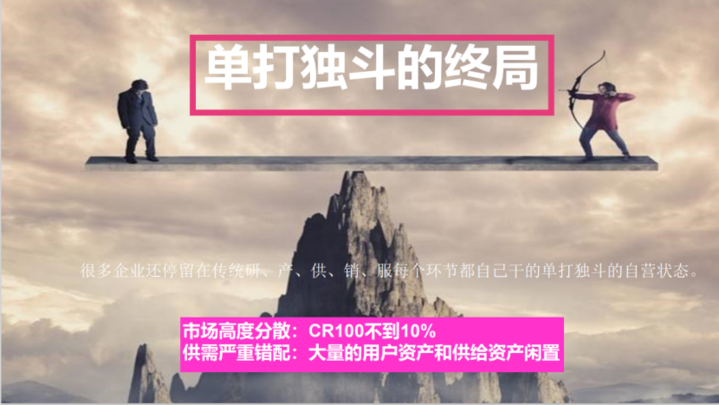
Through the investigation of more than 200 industrial clusters in China, I found that many enterprises are still in the traditional self-operated state of independent research, production, supply, marketing and service, which will cause two major development bottlenecks: highly dispersed market and serious mismatch between supply and demand.
Although on the surface, these industrial clusters seem to contribute significantly to the local economy, in fact, the competitiveness of these individual enterprises is still weak, and the highly decentralized market leads to the low market share of each company, which makes it difficult to form scale effect. From the data point of view, CR100 is less than 10%, which is a high degree of market decentralization, even giants can not control the market. (*CRn refers to the sum of the market share of the top N companies in a certain industry. This index is often used to measure and judge the degree of competition in a market. )
On the other hand, a large number of user assets and supply assets are idle, and some low-frequency trading industries (second-hand houses and used cars) have a serious mismatch between supply and demand, which is manifested in a long performance period. After a hammer sale, user assets, such as the water of the Yangtze River, roll east, and the turnover rate of old customers is huge; In addition, a large amount of inventory accumulated on the balance sheet indicates overcapacity in the industry, such as the inventory in the clothing industry, which is usually 180 days.
If each company is fighting alone and trying to crush its opponent at a certain node, under the current fierce homogenization trend, in fact, the victory of an enterprise at a single node is like the upper side of a seesaw, which looks very advantageous. However, if the enterprise on the opposite side is eliminated, the seesaw will be unbalanced and the enterprise will not be immune to it. Since then, it seems that the whole market has reached a deadlock, no one can stand out and no one can make a fortune.
Third, the ultimate goal of going it alone is to move towards an industrial community.
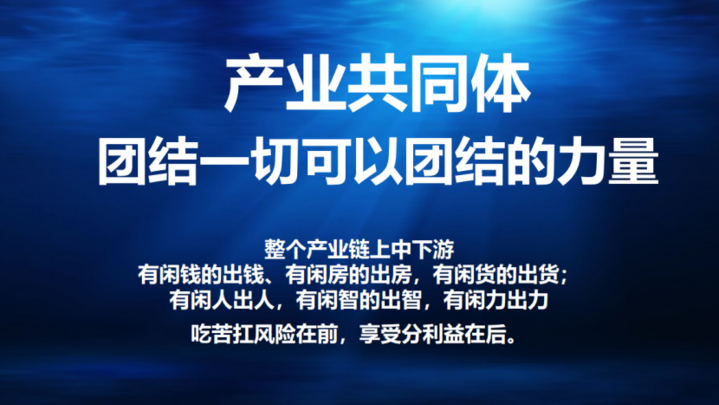
Facing the challenges in the contemporary business ecology, it will be difficult for enterprises to give full play to their potential and cope with the complex and changeable market environment if they insist on independent operations. The transformation to industrial community is not only a strategic inevitable choice, but also the key for enterprises to achieve sustainable development by integrating resources, sharing risks and innovating together. Let’s take a look at the following two cases to understand the great value of building an industrial community.
For example, we once invested in a company called Guolian Shares. At the end of 2016, the company’s transaction scale was less than 1 billion yuan. By the end of 2022, its transaction scale has reached more than 73.9 billion yuan, and it has maintained a 100% annual growth for six consecutive years. The reason why Guolian can become the first Internet of means of production industry lies in the high-speed community established behind it.
The coating market of Guolian has gradually gathered a number of core production enterprises, thus forming a significant economies of scale and realizing cost savings. However, if enterprises try to cover every segment of the market, their production capacity will often be wasted. In the past, the waste rate of raw materials in Guolian may be as high as 9%, but through the cloud factory system, building an industrial community and empowering each factory to be intelligent, this ratio can now be greatly reduced to 3%. In addition, the downtime of production line caused by product replacement has also been significantly reduced.
Guolian has not only made remarkable achievements in the coatings market, but also achieved rapid growth in nearly 30 industrial products markets, including sanitary products, fertilizers, glass and so on, among which the transaction scale of three markets has reached more than 10 billion. Behind this achievement, it is inseparable from the support of the industrial Internet. Industrial Internet provides a platform for enterprises, which enables them to effectively connect market demand with production capacity and maximize value.
The second example is Ke Holdings Inc.. If measured by market value and business volume, from chain home to shell is one of the most successful cases of digital transformation of traditional enterprises in China. Ke Holdings Inc. has created a platform economy for the second-hand housing market. In less than four years, it has established the largest ACN network in China, attracting more than 300 rival enterprises, more than 40,000 stores and nearly 50 million monthly users. Everyone has achieved three times the performance on this platform, and the average business has grown from more than 20 million to more than 70 million, creating a transaction scale of 2.6 trillion in four years.
Perhaps you don’t understand that before 2018, its predecessor was Chain Home. After 18 years, it opened 8,000 stores and became the industry leader. In the second-hand housing market, it is still impossible to ride the dust, and the listing is far away. But in 2018, founder Zuo Hui found his second growth curve, and Ke Holdings Inc. was born. They first adopted the b2f performance router model and established a residential service community for second-hand houses, which you can simply understand as an Internet platform for second-hand housing industry. Shell’s real estate sales and leasing business operate independently, and after each transaction is completed, the user’s assets roll east like the water of the Yangtze River. In this mode, even if a customer comes to the chain store at that time and wants to rent a three-bedroom house, the house may be in the hands of the opponent next door, and the information on the supply side is isolated, so it is impossible to complete this transaction. This situation highlights the dilemma of the Internet, which has been able to eliminate information asymmetry in the past few years, but has struggled to advance its actual business.
Ke Holdings Inc. United industry resources, initially released its own tens of thousands of suites to the shared platform, creatively eliminated the information asymmetry problem, and then became the leader of the residential service industry. Ke Holdings Inc. continues to expand demand and supply, opening up to traditional competitors. As a supplier, Ke Holdings Inc. not only provides houses, but also encourages other partners to join in. By introducing the sharing income model, it encourages partners to get corresponding returns in helping to sell houses or meet market demand, thus ensuring the fairness and profitability of the ecosystem.
If you don’t change your business ideas and business model, or you are still dealing in goods and second-hand houses in the era of chain home, you will be ambushed on all sides and enemies everywhere; But when you turn to the operator, you are friends and allies everywhere. I realize that once entrepreneurs successfully change their business thinking, they are not limited to pursuing a single business model of second-hand housing transactions, but instead focus on meeting people’s diverse needs, they can realize the digital transformation of enterprises and break through the traditional time and space constraints. This transformation is crucial, because it enables us to attract various related industries to join our platform, thus forming a diversified ecosystem.
Starting from a single business focusing on second-hand housing transactions, Ke Holdings Inc. has successfully expanded to many fields including new housing transactions, decoration materials transactions and even decoration service transactions. The expansion of this business is not only an increase in quantity, but also a qualitative leap, and finally a community model of residential service is built.
This model can be compared to the Three Gorges Dam, which has created an unprecedented community effect in the industry. In this new ecosystem, we have abandoned the traditional zero-sum competitive thinking, that is, the "life-and-death" model, and are no longer restricted by the traditional e-commerce monopoly. On the contrary, we have promoted a platform based on sharing and cooperation, in which each participant has the opportunity to realize his own wealth growth.
Fourth, the fulcrum from going it alone to the industrial community is b2f or C2M industrial router.
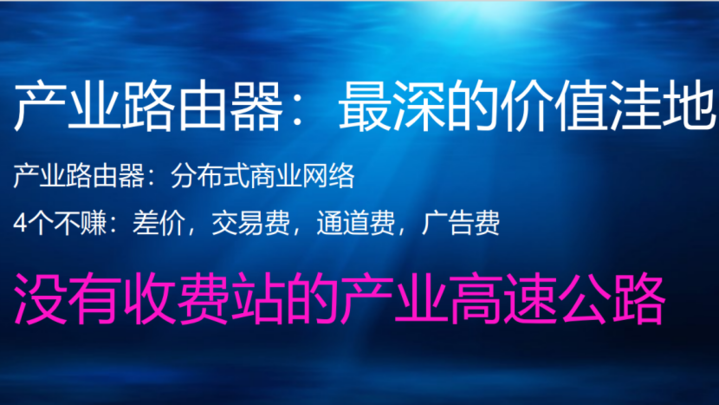
In 2016, I proposed a new industrial platform model-B2F industrial router model. Its mission is to improve the overall efficiency of an industry and eliminate all waste in the industrial chain. On the basis of linking the upstream, midstream and downstream of the industrial chain in real time, it collects big data of each node with the help of ABCD new technology, optimizes the matching between supply and demand through AI algorithm, and completes the efficient and intelligent matching between supply and demand, thus creating a huge value depression of 3-10 times, attracting many partners to join. Through this model, the gross profit of each small store can be significantly improved, while the platform benefits through the sharing model, and at the same time, each small shop owner is guaranteed to get a larger share of profits. The success of this model proves that in the digital age, traditional industries can be effectively reshaped and new commercial value and social influence can be created through technological innovation and intelligent algorithms.
When I deeply studied the combination of Generative AI and industrial router, I found the great potential of this new business model in many fields.
This model not only promotes win-win cooperation within the industry, but also provides the possibility for establishing a more efficient unified big market in China. The following are some examples of my application of this model in different industries.
Japan’s 7-11 actual combat case:
In Japan, 7-11 reshaped the traditional chain convenience store industry through digital transformation and innovative technology. Its human efficiency (per capita profit) output far exceeds RMB 1.2 million, even surpassing Alibaba at its peak, showing the great potential of the convenience store industry. This company not only built a convenience store network, but also transformed tens of thousands of shopkeepers from a community of interests into a community of destiny, uniting more than 20,000 stores, 178 factories and 140 logistics centers, and its headquarters gained a gross profit margin of over 93%.
At present, the scale of 7-11 economy has reached 320.2 billion, with an annual income of 56.7 billion. The secret of success lies in the industrial router platform it established, which does not earn intermediate price difference, transaction commission, channel fee or advertising fee. The platform can centrally handle the scattered demands of thousands of small retail stores, and send these demands to 178 professional chemical plants for production every 8 hours through industrial chain routers. This model not only strengthens the direct connection between supply and demand, but also optimizes the efficiency of the whole industrial chain.
SheIn’s actual combat example
Today, when industrial clusters collectively go out to sea, a large-scale fashion giant SheIn is a remarkable case. In just seven years, SheIn has grown from a cross-border wedding dress to the world’s largest fast fashion industry community. For eight consecutive years, its revenue has maintained exponential growth, uniting 6,000 factories in China, Southeast Asia and Brazil, and producing about 7,000 new fashions every day for more than 30 million girls in more than 180 countries, with a sales volume of nearly 40 billion US dollars. At present, its valuation has exceeded 100 billion US dollars.
SheIn’s success is due to its establishment of the largest industrial Internet platform in the fast fashion industry, which is due to the operation of C2M industrial router and fashionGPT fashion model behind it. The core of the business model of industrial router is that it can accurately match supply and demand, which needs to rely on a complete PMF (market and demand alignment) AI intelligent system to achieve. SheIn’s AI robot collects the works published by global fashion media and fashion websites, feeds them to fashionGPT, predicts the popular elements and explosive elements in the next few days through AIGC every day, generates tens of thousands of new designs, and then puts them on the global social media. From the voice of users UGC, more than 7,000 new products are launched every day, which are handed over to designers PGC for design and factory edition, and 100-150 pieces of each model are produced first for trial and error. If a certain model explodes, 500 factories will be organized immediately to share the model and pursue single production. In this way, three flywheels, AIGC (Artificial Intelligence Generated Content), UGC (User Generated Content) and PGC (Professional Generated Content), are rotated to form a high-speed flywheel effect. Through the AI pairing of supply and demand, the explosion rate of products is greatly improved, thus building a strong competitive advantage.
From the demand side, the matching mode of supply and demand driven by AI algorithm has significantly changed the industrial effect of the industry. SheIn is a typical representative of this change. At first, SheIn relied on the traffic of Amazon platform, but then successfully transformed, no longer relying on external platforms, but by privatizing a large number of public traffic, turning public traffic such as Instagram, Pinterest and Facebook into private traffic. Different from the traditional MCN organization, SheIn built a "traffic dam" by creating independent stations, which effectively retained and utilized the fan market and avoided the loss of fans after a single transaction.
This change prompted SheIn to form a C2M(Consumer-to-Manufacturing) fast fashion industry model, which effectively shortened the time from design to production and improved the market response speed and production efficiency.
From the production point of view, SheIn adopts C2M mode, that is, it directly feeds back the consumer’s demand to the factory to realize rapid production. Even though SheIn didn’t open a physical store, this model still enabled SheIn to go from design to production to listing in a very short time, greatly shortening the production cycle of traditional fast fashion brands. In addition, SheIn can launch more than 70,000 new models every day, thanks to its close cooperation with more than 6,000 small and medium-sized factories around the world. These factories have the ability to handle small-batch orders and respond sensitively, as well as the characteristics of fast production cycle, which can flexibly adjust production plans and reduce inventory backlog and waste by means of small-batch production.
SheIn’s first order, with a minimum production batch of 100 pieces, can really complete the response to the supplementary order of popular goods within three days. This is SheIn’s unique demand-driven, small batch and quick response business model, which overcomes the difficulties that the clothing industry usually faces in balancing delivery, cost and quality.
Through the above examples, we can see how AI technology cooperates with industrial routers to bring revolutionary changes to traditional industries, from a single-player mode to an industrial community, and finally provide a new path for establishing a more unified and efficient large market structure.
5. Establish an industrial community: those who make many friends and those who make few enemies.
SheIn is also committed to building a global fast and fashionable industrial community, including expanding production bases in Brazil and other places. Its profit plan aims to help tens of thousands of sellers around the world break through the sales target of $1 million in the next three years. This strategy not only strengthens SheIn’s ability as a platform, but also promotes its expansion and influence in the global market.
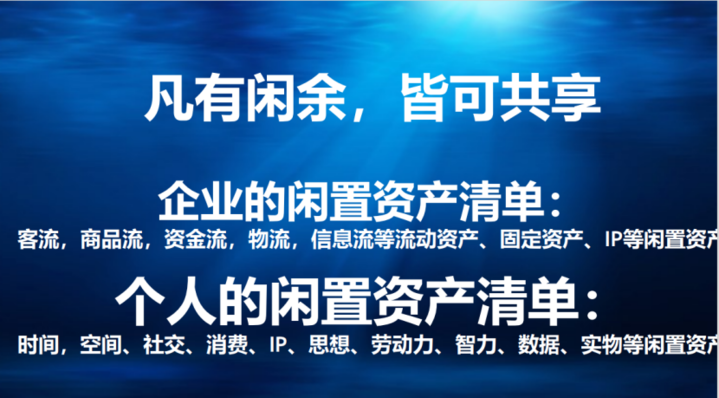
Behind the success of SheIn, the core logic of sharing economy is embodied. Just like Didi Chuxing shared fragmented transportation capacity, SheIn maximized the utilization of resources and effectively integrated and shared resources such as various commodities, capital, logistics and information flow. SheIn’s idle resources include not only physical resources, such as factory production capacity and unused raw materials, but also underutilized traffic and consumer data on the market and social platforms. Through accurate analysis and algorithm-driven supply-demand matching, SheIn can realize the dynamic allocation and optimal utilization of these idle resources.
The success of this model lies not only in the innovation of technology and platform, but also in its ability to meet the needs of consumers for personalized and rapid response, and at the same time improve the efficiency and flexibility of the entire industrial chain; The simultaneous operation of multiple factories ensures the flexibility and delivery speed of the supply chain, making SheIn superior to traditional brands such as Uniqlo and e-commerce competitors in cost control, and achieving the lowest cost item in the whole link.
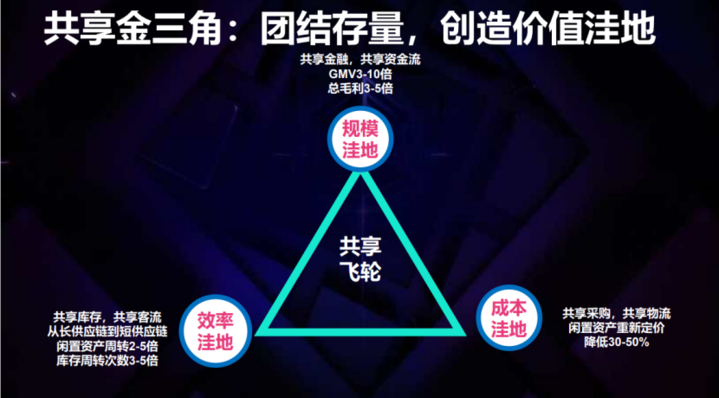
In China, most markets are stock markets. In many businesses, we found that the traditional distribution model was usually used in the past, similar to the layer-by-layer distribution of Procter & Gamble. Take the paint market of Guolian Co., Ltd. as an example. After leaving the factory, the products finally reach the small boss on the construction site through multi-layer circulation, forming a very long supply chain system. However, there is a reverse supply chain system, which I call b2f’s industrial router model. This model is simply a demand-driven reverse supply chain model. At first, the League of Nations collected the demand of more than 20,000 sub-terminals, which may be collected every few days according to the purchasing frequency of different categories, and then intelligently routed these data directly to the supply-side factories through industrial routers, bypassing the intermediate links. Under the industrial router mode of b2f, the business scale of coatings market has developed from 70 million to 80 million to more than 30 billion. This model is actually a zero-cash-pool, zero-inventory model, which does not seek to earn the price difference in the middle, but concentrates the fragmented orders and then gives them to the factory for direct production.
From the demand side, when the champion factory gathers the demand of 10,000 tons or 15,000 tons of fragmented orders from various small and medium-sized factories and produces them, the scale effect is formed. Even if the consumer only needs 500 kilograms or 1 ton, it can still be purchased at a lower price of 15,000 tons.
From the supply side, the original factory may have a production capacity of 150 million a year, but its order is only 100 million. Now, by uniting the demand for head fragments, the order is fed to 150 million, and under the condition of not changing the gross profit margin, it will earn 50 million more. Even if the gross profit of 50 million is only 10%, we can earn 5 million more, then we can participate in the distribution of incremental value. The essence of the platform is to collect a value-added tax and create value first. A new industrial cooperation mode of building industrial community and promoting idle assets sharing.
If you only do a transaction on the supply side, the value created is very thin. The cloud factory plan of the League of Nations has completed the transformation of hundreds of digital factories on the supply side, and this digital, flexible and elastic supply chain system will be established at this time, ensuring the efficient operation and safe operation of the whole community and the great flexibility of the supply chain. Therefore, under this "stable" premise, good, fast, more and less will become more valuable.
6. Generative artificial intelligence opens the era of human intellectual civilization.
Since the advent of ChatGPT, its commercial achievements have been remarkable. Its monthly income has exceeded 130 million US dollars, and the valuation of OpenAI itself has reached an astonishing 100 billion US dollars. However, the story of OpenAI goes far beyond this. Back in 2015, when Open AI was just established, it was still little known. After seven years of development like a roller coaster, the number of users has reached 1.5 billion.
On this basis, I personally have a small prediction: the number of users of OpenAI is expected to exceed 10 billion, which is unprecedented in the era of mobile Internet. At present, the mobile Internet platform with the largest number of users is Facebook, with 3 billion users, followed by TikTok, with about 2 billion users. If OpenAI achieves this leap, it will become the first company to break through 10 billion users, and it also has the potential to become a company with a market value of more than 10 trillion US dollars.
Why do I regard generative artificial intelligence as "the new Pangu"? I have searched for suitable words many times to describe the uniqueness of content-generated artificial intelligence, but I finally found that the first thing of Gen AI is to accurately predict the next one. The next token and the next vocabulary are its most essential features and core abilities. Next word: big language model (LLM,AI text), gpt 4.0, ChatGPT;; Next frame: large visual model (LVM,AI short video or AI movie) SD, Runway, Pika;; Next series of action sequences: intelligent model with body (universal robot/humanoid robot), Tesla Optimus Prime, Galaxy Universal, Zhiyuan, West Lake robotGPT;; Next protein sequence: protein model (AI new drug research and development), Alphafold, Shenshi technology; Next pixel: 3D model (AI metauniverse, 3D space). Maybe a brand-new multimodal model will be born soon, and we will get closer and closer to AGI general artificial intelligence. The progress of these technologies is not only the prediction of the next frame or the next action, but also opens a new chapter in the field of artificial intelligence.
In AI4S, I had the honor to witness how Shensi Technology and Google’s AlphaFold project subverted traditional scientific research. The core of these two projects is to use advanced algorithms to predict protein sequence, and now it can reconstruct 3D models of more than 20 billion protein molecules. I still remember that when our angels invested in Deeppower Technology, their models were still in the initial stage. Nowadays, their kinetic model has improved the efficiency of drug research and development tenfold, thus shortening the discovery time of new drugs from 2 million experiments in six years to only 200 experiments, which may take 6-8 months. This progress is not only a great leap in scientific research, but also opens up a new road for future drug discovery and biotechnology.
AI technology accelerates the integration of business, culture and technology, realizes the smooth transition from classic to contemporary art, and connects the creation of historical and contemporary avant-garde artists. With the help of GPT, even a person from a programming background, like me, can design clothes that conform to the national fashion, which is enough to show that artificial intelligence technology makes it possible for everyone to become a designer. An advertisement of Coca-Cola Company last year used AI technology to create works of art that would have taken millions of dollars and months to complete at a very low cost and time through artificial intelligence models. This technology has a wide range of applications, from visual design, literary creation to architectural design, showing the powerful potential and creativity of artificial intelligence.
Everyone is a photographer in the iPhone era; In the ChatGPT era, by subscribing to various super application services of AIGC, everyone may be a poet, a writer, a director, a painter, an educator, a doctor and a code farmer.
I believe that our current moment is not only a continuation of the era of mobile Internet, but also a new era of intellectual civilization. Compared with agriculture and industrial civilization, intellectual civilization is expected to increase global GDP and per capita income at an unprecedented rate in the next 50 years, which is expected to be more than ten times the growth brought by industrial civilization. This change will not only transform carbon-based life into diversified life forms including silicon-based life, but also introduce hundreds of millions of digital employees, injecting new impetus into global economic growth.
Seven, the biggest protagonist of intellectual civilization is the robot.
Generative artificial intelligence will detonate the productivity revolution of every industry. The older the demand, the more likely it will be a subversive and cost-effective new supply.
Imagine that suddenly one day, 10 billion carbon-based humans, 100 billion carbon-free and silicon-free homo sapiens and 100 billion silicon-based humanoid robots will form a vast army of intellectual civilization. Hundreds of millions of intelligent employees will work for us. They are not just carbon-free and silicon-free homo sapiens (digital virtual people), but the embodiment of living human beings (simulated skin). With the acceleration of the industrialization process of AI digital intelligent service, the per capita GDP will be at least 10-100 times as high as it is now.
Most human beings only need to work for 1-3 days, become a member of the army of intelligent workers, join the army of AIGC production AI, and be engaged in data annotation of GPT, number of intelligent people, robots, prompt project, advanced AI training, knowledge fuel and imagination providers. Everyone will rediscover the meaning of their work or life on the AIGC assembly line, and human imagination will be our last bastion.
I look forward to one day, 8 billion human beings, each with one or more AI avatars, covering every corner of human life scenes, including carbon-free and silicon-free intelligent people and carbon-based life robots; One-on-one service for everyone.
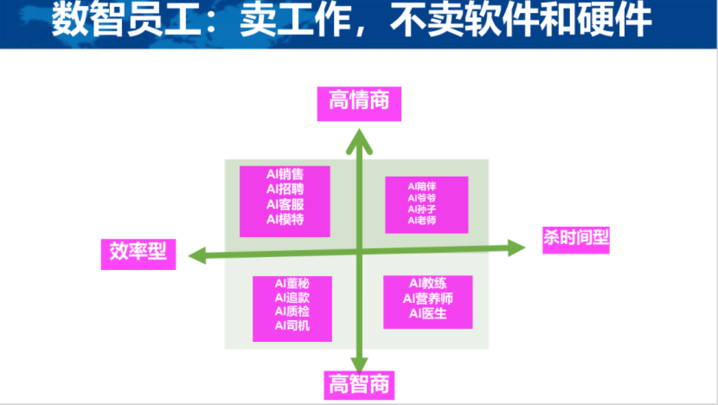
In the commercial field, especially in the enterprise service market (B2B), it has a significant impact. We have seen that digital employees driven by artificial intelligence, such as AI models, AI secretaries, AI salespeople, AI anchors and AI recruiters, are changing the traditional business operation mode. These digital employees not only improve their work efficiency, but also greatly improve their output through self-learning and evolution, showing the great potential of artificial intelligence technology.
For the consumer market (B2C), the application of artificial intelligence technology is equally far-reaching. From AI companionship, AI grandchildren, AI teachers, AI runners, AI doctors to AI nutritionists, artificial intelligence is gradually becoming a part of people’s lives. This technology not only provides convenience for personal health management, but also brings revolutionary changes to education, pension and other service industries.
In addition, artificial intelligence also plays an important role in manufacturing, agriculture, construction, energy and other industries, indicating the rise of robot industry in the future, which may become a bigger industry beyond the automobile industry. I always think that artificial intelligence, the "new Pangu", is reshaping the world and creating a new era in which real people and digital people coexist.
This change makes me firmly believe that almost all industries deserve to be re-examined and innovated. Whether it is consumer goods or industrial products, the old demand is facing the challenge of new supply.
Eight, the flow revolution
We are entering a new era, which will be defined by digitalization, automation and intelligence.
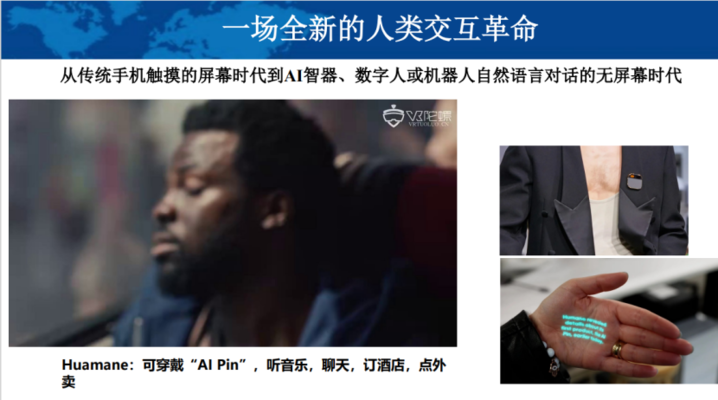
The core of this revolution lies in the wide application of intelligent devices, such as AI glasses, AI speakers, AI watches, etc. They represent the beginning of a screen-free era, or I prefer to call it the "smart device era". In this era, digital humans and robots begin to redefine the way of interaction and push the interactive interface to the foreground, which indicates that everyone’s business activities will be carried out more and more through AI.
Take a simple example, when my son takes a watch, a virtual playmate can be immediately presented through AI technology; Upload photos and immediately generate a virtual model, which can even be adjusted to the user’s own figure. Imagine that everyone can show clothes generated by AI in their own live broadcast room. This is not only the evolution of e-commerce, but a brand-new interactive experience-conversational e-commerce, which has become a personalized store for everyone.
This revolution convinced me that almost all products and services have room for re-invention. Whether it is consumer goods or industrial products, the supply mode of traditional demand is facing a complete change. The progress of modern technology means that we may no longer need to interact with applications or services in the traditional way in the future.
Like the revolution of alternating current technology a century ago, AI technology will penetrate into everyone’s life. Everyone may have their own AI avatar or digital person. The concept of digital employee is becoming a reality, which will greatly change the way we interact with robots and smart devices. They are appearing in large numbers in various industries, bringing subversive opportunities to many enterprises that are moving towards becoming unicorns.
The application of AI is also reshaping the B2B and B2C markets. For example, the concept of AI model is changing from traditional commercial photography to a more efficient and lower-cost digital solution. In the future, we can even expect to summon AI models to participate in live broadcasts or fashion shows through simple gestures or voice commands, completely changing the way of shopping and entertainment.
In the legal field, the application of AI technology has demonstrated its potential, which can undertake a lot of legal consultation and contract analysis, greatly improving the efficiency of legal services. This not only did not replace the work of lawyers, but also expanded the popularity of legal services, so that more people can afford high-quality legal advice.
I also invested in a project to collect and analyze the blood sugar data of diabetic patients by using AI technology and dynamic blood sugar monitoring equipment, and provide personalized treatment suggestions. The application of this digital therapy indicates a great change in the medical and health field, so that everyone can get more accurate and personalized health management services.

In short, with the development and application of AI technology, we are entering a new era, which will be defined by digitalization, automation and intelligence. These changes will not only improve our quality of life, but also bring unprecedented opportunities to all walks of life.
Nine, strategic rhythm = first male and then female+one male and many mothers
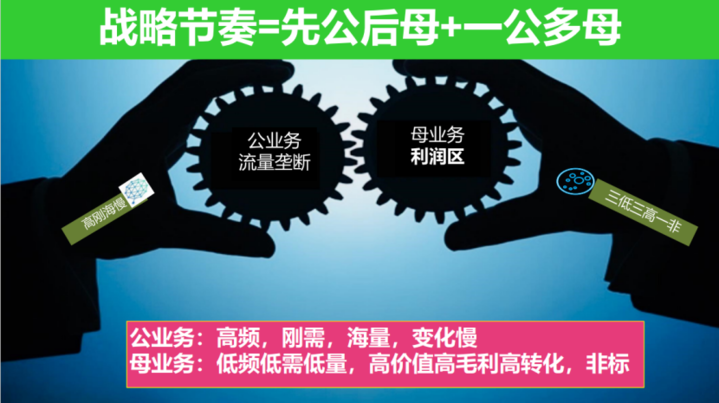
In terms of industrial gross profit and public-private business, I think we should first grasp the development of industrial Internet, especially its application in the industrial field. In this process, we must accurately identify which businesses have development potential and which services can better meet the market demand.
A direct and effective measure is to find those public business areas that are "high-frequency, just-needed, massive and slow to change". Taking the real estate industry as an example, the second-hand housing market can meet the actual purchasing power of young people better than the new housing market, so it is considered as a more rigid demand. At the same time, the new housing market belongs to the "three lows" (low frequency, low demand and low volume) business. Nevertheless, it can still create high value, high gross profit and achieve high conversion rate.
By positioning the second-hand housing transaction as its core business, Ke Holdings Inc. has successfully realized the rapid growth of traffic and the stability of business. At the same time, it has further expanded the company’s business scope and profit space by taking new house sales, shell packaging and other businesses as supplementary parent businesses. This strategy is not only about the skills of traffic acquisition, but more importantly, it creates real income by meeting the needs of the market and shows a sustainable business model.
Under this model, the flow of public business has basically achieved monopoly, while the parent business has become an important source of profits. This strategy requires us to first lock in those just-needed businesses that are "high-frequency, just-needed, massive and slow-changing", and promote resource sharing and cooperation by establishing an intelligent system, so as to develop diversified parent businesses. The cleverness of this strategy is that the public business is like the golden hoop of the Monkey King. Although it is small, it can rapidly expand its influence, demonstrate its flexible and efficient business expansion ability, and improve the retention rate of old customers and the number of customers.
In my research on China’s industrial market, I noticed a remarkable trend: the digital and intelligent industrial clusters in many fields are undergoing a profound integration. The central idea of this reform is to promote the realization of energy saving, specialization and large-scale production.
Specifically, each factory receives orders from different customers according to its own expertise, and focuses on developing its best production links, so as to promote the merger of homogenization projects in the industry, and then incubate leading enterprises in the field. I personally visited dozens of factories in the Yangtze River Delta and the Pearl River Delta, and found that by distributing orders to leading factories with specialization and scale, not only can cost savings and specialized production be realized, but also the competitiveness and efficiency of the whole industrial community can be significantly improved.
In this rapidly changing era, the new traffic revolution and industrial Internet model show us how to achieve efficient matching and growth of industries through technological innovation and intelligent services. Through these advances, we can not only improve the user experience and service quality, but also open up a new road for the development of the whole society and economy.
X. SheIn explodes the flywheel effect and forms its own moat.
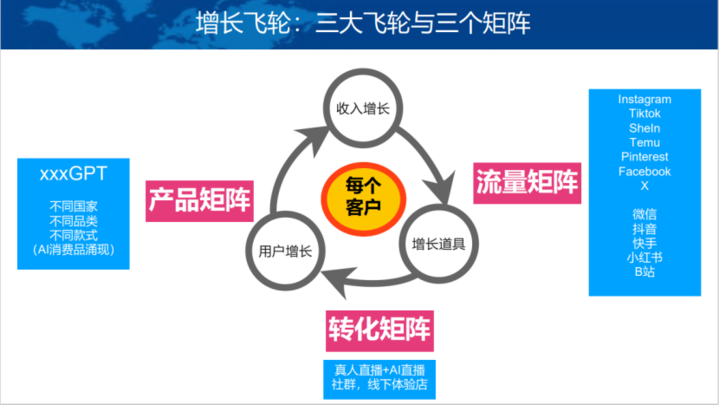
I think everything can be GPT, from chatGPT to SheIn’s fashionGPT fashion model and Red Dragonfly’s shoesGPT footwear model. All consumer goods enterprises can train their own product models. With the help of the productivity of Gen AI, they can not only strengthen, but also expand our flow matrix, transformation matrix and product matrix by 10 times or even 100 times, forming a high-speed growth flywheel effect. Only when the three flywheels work together to improve traffic, transformation and products can artificial intelligence bring us great commercial benefits.
For every enterprise, "revenue growth", "user growth" and "growth props" are three key flywheels for growth. To make the flywheel of "user growth" rotate at a high speed, we need to seize the dividend of the times, constantly look for growth props that keep pace with the times, and iterate quickly from 1.0 to 2.0, 3.0 … 10.0, so that the flywheel of "growth props" can continue to rotate, driving "user growth" and then driving "income growth". With the increase of income, we can continuously invest in more effective "growth props" and form an enhanced loop.
AIGC (Artificial Intelligence Production Content): SheIn’s AI robot collects the works published by global fashion media and fashion websites, predicts the popular elements and explosive elements in the next few days through AIGC, and generates tens of thousands of new designs;
UGC (user-produced content): put it on social media around the world, and launch more than 7,000 new products every day from the voice of user UGC, and hand them over to designer PGC for design and factory printing;
PGC (content produced by expert designers): 100-150 pieces of each model are produced first, and trial and error are carried out. If a model bursts, 500 factories may be organized immediately to share the model and pursue single production.
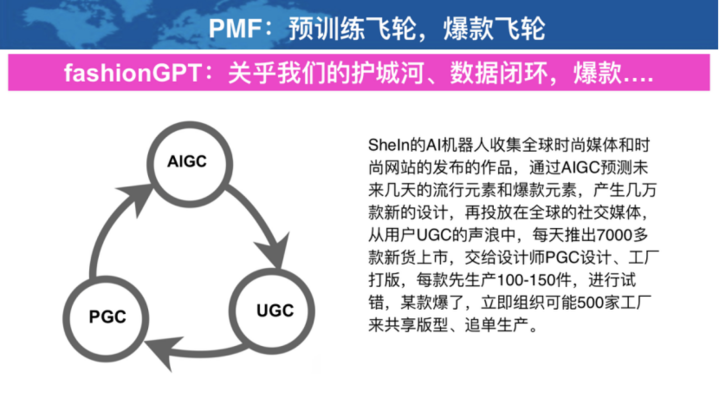
Only when the three flywheels work together to improve traffic, transform and product, can artificial intelligence bring us huge commercial benefits. Taking SheIn’s new media case as an example, we first make a digital demonstration, first produce and launch tens of thousands of AI predicted matching styles, capture the explosion information based on the launch data feedback, realize the accurate matching between supply and demand, complete the zero-inventory operation mode, greatly improve the efficiency and reduce the cost, and demonstrate the power of digital transformation.
Xi. Two-way development of industrial cluster belt and global market
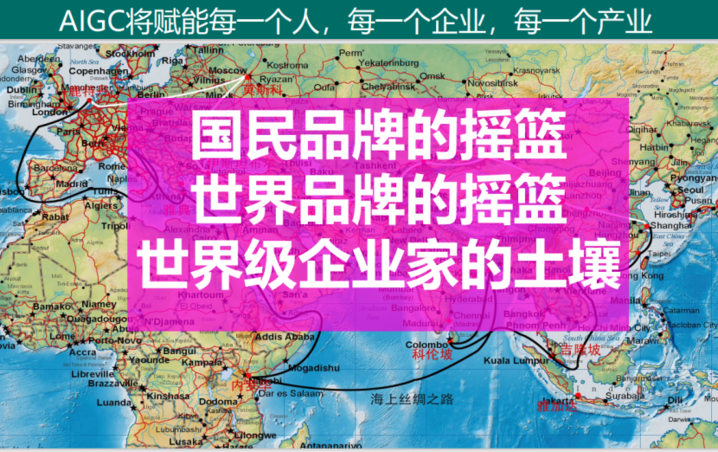
This is the great navigation era of industrial Internet. Generative artificial intelligence and industrial router mode will accelerate the export of China industrial clusters to the global market, which is a new paradigm of globalization 2.0.
I firmly believe that digitalization can not only penetrate into every industrial chain, but also promote the global development of the industry. With the current trend of globalization 2.0, especially in the two-way interaction between the industrial economic belt and the global market, China’s industries are facing a new opportunity of "going in both directions". Under the background of industrial internet, how to export China’s industrial cluster belt to the global market? I think it is necessary to make a comprehensive layout from the low-end to the high-end market and carry out a comprehensive market sinking. At present, through the Belt and Road strategy, we have exported our production capacity to Vietnam, Bangladesh and other places. At the same time, high-end production capacity such as new energy vehicles has begun to enter the European market.
I have observed that there are many industrial clusters in the Pearl River Delta, the Yangtze River Delta, the central and western regions and North China, and the combination of artificial intelligence and industrial Internet platforms is being used to realize product innovation and market expansion. Just like SheIn, through AI screening and forecasting, we can increase the product explosion rate from 10% to nearly 50%. This combination model provides a strong impetus for the formation of industrial communities, which will be a national-level solution for the prosperity and common prosperity of the industry.
Looking back on the development of China in the past 40 years, I deeply realize that we have established a comprehensive industrial cluster ecosystem. This system covers all factor production and the whole industrial chain, and realizes the ability of supporting all categories. This development is not only the embodiment of technological and industrial progress, but also a positive response to the employment problem of China’s 1.4 billion population. I firmly believe that every industry has the potential to breed three to five industrial communities, and these communities have the ability to grow into enterprises with a market value of 10 billion or even 100 billion US dollars.
Here, I would like to say to all entrepreneurs and entrepreneurs present here that although you may still be in the stage of "unicorn" or "gazelle" today, it is entirely possible to develop into "ten-horned beast", "hundred-horned beast" or even "thousand-horned beast". This change is not out of reach, and the background of globalization 2.0 provides enterprises with broad growth space and unlimited possibilities.
Therefore, I think that today’s platform economy or industrial Internet hub is an important aircraft carrier for the global market, which is a fertile ground for entrepreneurs who have a great influence in China and even the world.
I think all success depends on people, and the strength and diversity of technical teams are very important. Gather four talents, namely, industrial veteran, AI engineer, Internet veteran and, more importantly, small fresh meat (rookie), and unite them. Modern entrepreneurs should learn from Liu Bang. Instead of doing everything by themselves and fighting alone, they should unite heroes from all walks of life, find Zhang Liang to help you plan, and find small fresh meat like Han Xin to help you take the lead. Han Xin liberated all China at the age of 29, so we should fully believe in young people and rising stars.
I have seen the ups and downs of many entrepreneurs, such as the story of Zhang Yiming. In his early career, he experienced the failure of Jiujiufang, but he didn’t give up. In 2012, I started my business again, and established a reverse strategy and emergence mechanism completely different from that of big factories. I established an app factory through AI, injected reverse genes from people looking for information to information looking for people, and established a number of low-cost parallel teams, starting from the connotation of the paragraph app, to today’s headlines, volcanoes, watermelon videos, tiktok, tiktok and other app applications, and finally emerged today’s headlines, Tik Tok and Tiktok world-class applications, which achieved great success. Zhang Yiming showed a kind of. This emerging strategy enables the team to quickly adjust its direction and explore new possibilities even if some projects fail. Starting a business is like exploring in the forest, and you will often get lost. At this time, the best strategy is to follow the running water and find a way out. Although this path may be tortuous, it will eventually run to the sea, ensuring that we can always find the way to success.
I firmly believe that industrial community is a national-level solution for industry prosperity and common prosperity. We will set sail in the era of industrial internet, build 3-5 communities in each industry through AIGC+ industrial router +X, and promote the export of China industrial clusters to the global market, which will give birth to the cradle of 10-100 billion US dollars of super species.
Buffett said, "If you wait until the robin crows, you will miss the whole spring.". Entrepreneurs, entrepreneurs, if you only start when you hear the robin crow, you may miss the whole spring of intellectual civilization and the beautiful flower season of industrial Internet. Standing at the entrance of intellectual civilization, we believe in the future and artificial intelligence, which is a new belief, just as Tagore said in the collection of birds: "Faith is a bird, which feels the light and sings when the dawn is still dark."